Mold Removal & Moisture Services for Seneca, SC
If you've noticed visible mold, a musty odor, or ongoing dampness at a Seneca home, rental property, or business, a professional evaluation is a sensible next step. Mold and moisture problems come from a property's own conditions — plumbing, drainage, ventilation, and how well moisture is managed — so understanding what's happening at a specific building starts with looking at that building directly.
Service provider licensed & insured.
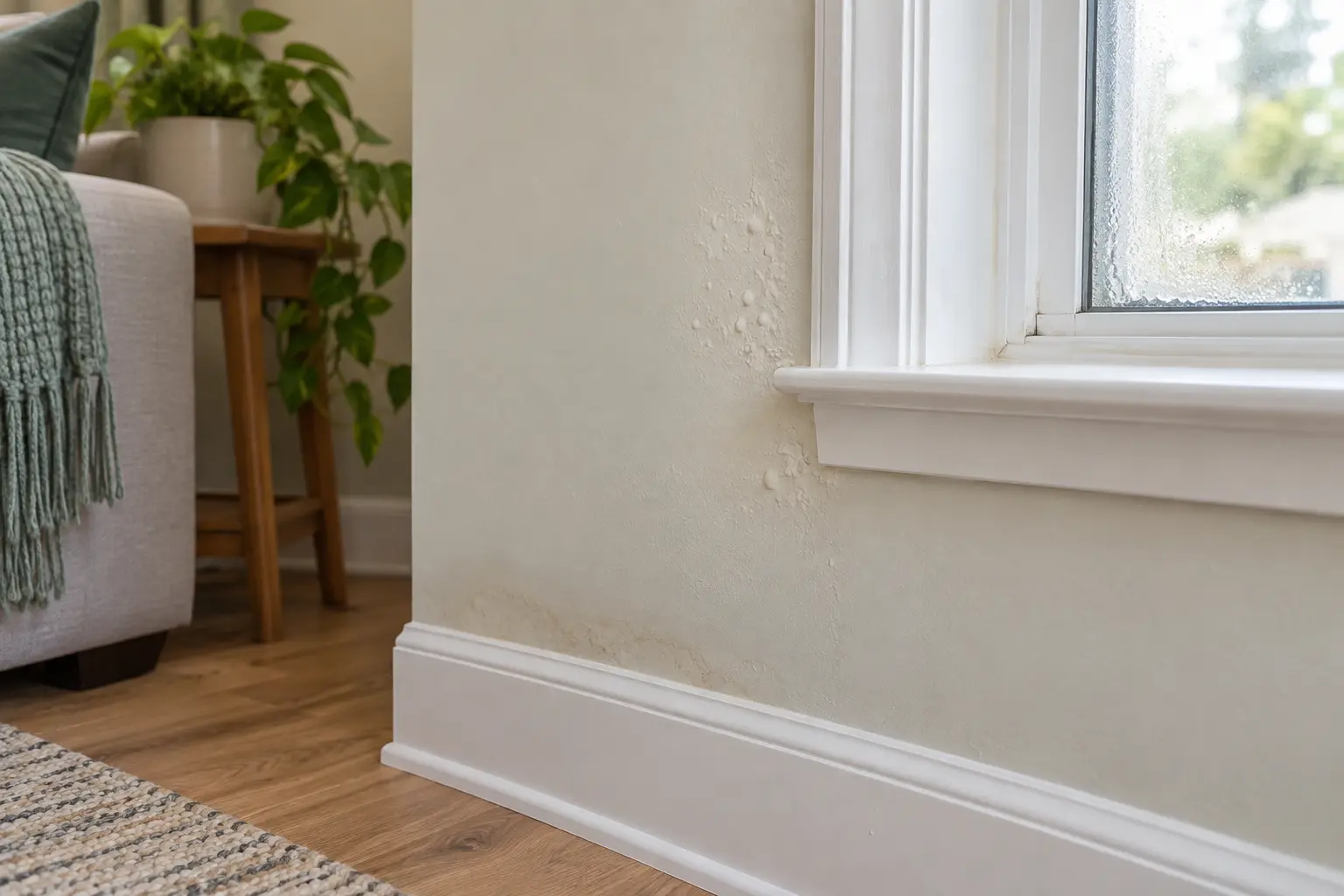
Common Reasons to Request an Evaluation
Common reasons to request a property evaluation include:
- Visible discoloration or suspected growth on walls, ceilings, or trim
- A musty odor that doesn't have an obvious source
- A recent plumbing leak, roof leak, or water event that wasn't fully dried out
- Condensation around HVAC equipment or ductwork
- A crawl space that feels damp, smells musty, or has standing water after rain
These signs do not establish the cause or extent of a problem. An evaluation can help determine what is affecting the property and what response may be appropriate.
What to Do After Discovering a Concern
A few simple steps can help before an evaluation:
- Step 1Note where and when the concern was discovered
- Step 2Document any known leak, roof issue, HVAC interruption, or water event
- Step 3Avoid unnecessarily touching or disturbing suspected mold growth
- Step 4If it can be done safely, stop an active water source or contact the appropriate plumbing, roofing, or repair professional
Providing these details when requesting an inspection may help explain the situation and prepare for the property visit.
Mold Inspection and Testing
A mold inspection is a visual and moisture-focused walkthrough to identify visible growth and its likely source. Mold testing is a separate, more specific step, and it isn't automatically part of every evaluation. According to the EPA, when mold is already visible, sampling is generally unnecessary — the priority is addressing the mold and its moisture source. Testing is typically considered only when a qualified professional has a specific, defined reason to collect a sample, since there are no federal standards for an acceptable indoor mold or mold-spore concentration. Learn more on our Mold Inspection and Testing page.
Mold Removal and Remediation
Remediation addresses both the visible mold and the moisture source that allowed it to grow, with the scope determined by what an evaluation finds at that specific property. For a full explanation of how the remediation process works, see our Mold Removal and Remediation page.
Crawl-Space and Moisture Control
When a property has crawl-space dampness, musty odors or suspected growth, there's no single fix that fits every property. The right approach depends on the crawl space's design, drainage, ground moisture, plumbing, air sealing, and humidity levels — rather than building age alone. An older home and a newer one can both need attention, or both be fine, depending on their actual construction and current condition. Some properties need a vapor barrier or full encapsulation; others need a more limited correction. An evaluation determines what's actually appropriate. Learn more about crawl-space mold or moisture control and vapor barrier options on our respective service pages.
Commercial Properties in Seneca
Offices, retail spaces, rental units, and other commercial buildings in Seneca can have the same range of moisture and mold concerns as residential properties, with some added considerations — coordinating around occupants or tenants, and planning work to limit unnecessary disruption to daily operations. The underlying evaluation and remediation process follows the same general approach as residential work, scoped to the size and use of the property. Learn more on our Commercial Mold Services page.
Seneca and Oconee County
Seneca is located in Oconee County, in the Upstate region of South Carolina. The area has a humid climate for much of the year, which is part of the broader regional climate pattern across the Upstate. This general climate context doesn't determine whether any individual property has a moisture or mold issue — that comes down to the property's own plumbing, drainage, ventilation, and maintenance.
For property owners near Lake Keowee specifically, including lakefront, second-home, and seasonal considerations, see our dedicated Lake Keowee area page.
Frequently Asked Questions
Request an Inspection
If you're noticing visible mold, a musty odor, or crawl-space dampness at a Seneca property, request an inspection to get started. Call (864) 477-2052 or request an inspection online.
Service provider licensed & insured.